Winter Rituals: How Textiles Shape the Atmosphere of Our Homes
Creating Warmth and Softness at Home During Winter
Winter shifts the rhythm of our days. Streets feel quieter, mornings unfold more slowly, and the home takes on a different presence. It stops being a backdrop and becomes a shelter: a place where softness, comfort, and continuity truly matter.
As temperatures drop, our attention turns toward what reassures: textures that invite touch, materials that bring warmth, and the quiet presence of textiles that make every room feel more welcoming.
Warmth at home during winter is not only a matter of heating. It grows through gestures, surfaces, and the atmosphere created by the objects we choose. This blog explores how textiles bring gentleness and comfort to winter interiors, helping our homes become places of rest and refuge.
When Winter Changes the Way We Look at Our Interiors
The first cold weekends heighten our awareness of the indoors.
We slow down. We notice corners of the home overlooked for months. A wooden table looks bare. A favourite chair becomes essential again. Windows frame quiet scenes: pale skies, still branches, soft silhouettes moving through the cold.
Textiles play an immediate role in this shift.
They soften where winter feels sharp. They give volume where the space feels sparse. They add tactility to the mood of the room.
A throw draped over a chair suggests presence.
A cushion placed near a window warms a cold afternoon.
A soft texture becomes a bridge between the outdoors and ourselves.

How Textiles Create Warmth Beyond Temperature
Warmth in winter is both physical and sensory.
A home can be fully heated and still feel cold or feel warm even at a modest temperature. Textiles often create this shift.
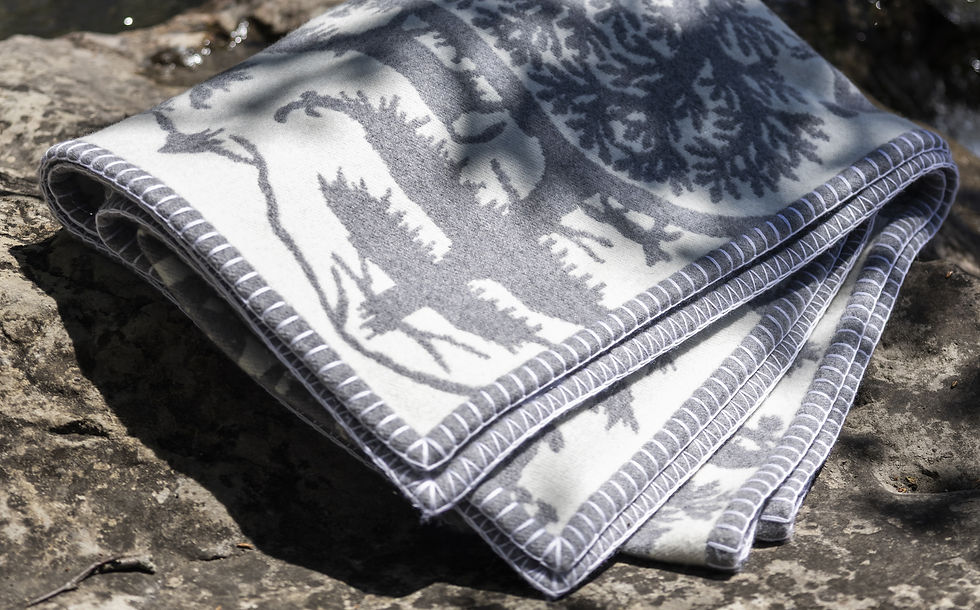
A cashwool throw warms a room long before it warms the body.
Its folds catch the light. Its thickness softens the lines of an interior. A single textile can transform a sofa into a sanctuary, a bedroom into a calm retreat, a dining space into a place where conversations last longer.
Textiles add softness and continuity across rooms.
They give the eye a place to rest. They influence posture, rhythm, and mood.
Small gestures begin this transformation:
A throw on the back of a chair.
A cushion arranged near the window.
A soft surface where hard materials dominate.
These quiet details are often where winter warmth begins.
The Small Rituals That Shape the Season
Winter introduces rituals that anchor the day.
They are simple, repetitive, almost unnoticed yet deeply reassuring.
The morning ritual
Before the day accelerates, there is stillness.
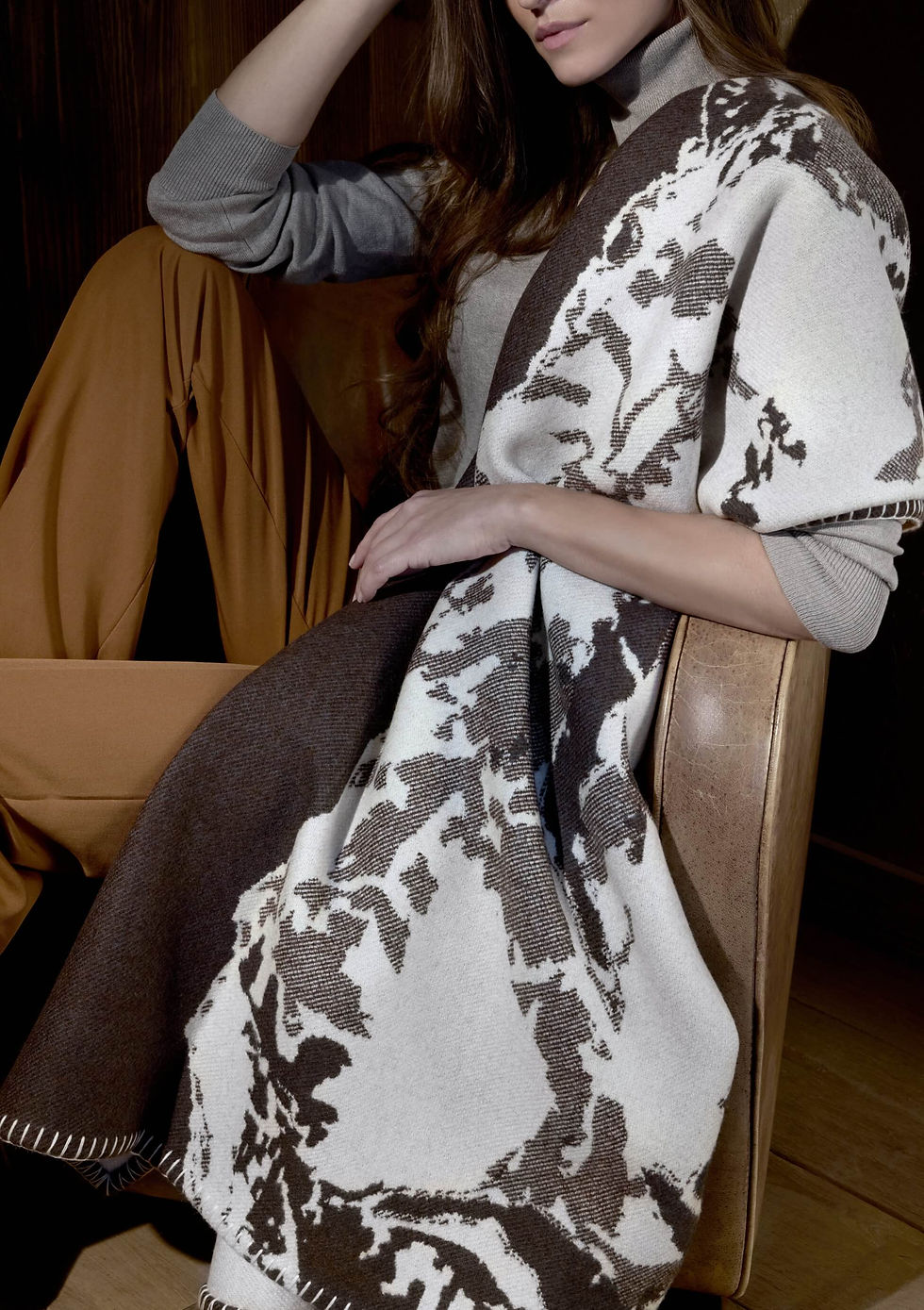
A throw around the shoulders.
Warmth from a rug under the feet.
A quiet drink held between the hands.
The afternoon ritual
As daylight fades early, afternoons slow down.
A seat by the window.
A reading pause.
A throw resting on the knees, turning the moment into comfort.
The evening ritual
Evenings carry a sense of return.
A folded blanket waiting at the foot of the bed.
A cushion reshaped after someone stood up.
An atmosphere softened almost without intention.
These gestures give winter its rhythm.
Textiles become the companions that make these moments feel whole.

Why Natural Fibres Matter Most in Winter
Winter reveals the qualities and limitations of materials.
Some fibres mimic softness without embodying it. Natural fibres, especially cashwool, offer comfort that feels genuine.
Cashwool behaves in a way that suits winter:
It adapts to the body’s temperature.
It stays breathable, even when layered.
It keeps its shape.
It offers subtle variations of texture and light.
As the air cools, cashwool becomes naturally inviting.
It offers reassurance through touch, structure, and weight.
Choosing natural fibres during winter is not about appearance alone.
It is about wellbeing, comfort, and the daily pleasure of materials that support the way we live the season.

How Textiles Shape Sound and Light
Winter changes the acoustics and illumination of a home. Textiles influence both with subtlety.
Softening sound
Hard surfaces echo more clearly during quiet winter hours.
A throw on a sofa, cushions gathered in a corner, or a rug under the table soften these reflections and create a calmer atmosphere.
Shaping winter light
Winter light is fine-grained, angled, and quiet.
It draws attention to folds, shadows, and relief.
Cashwool catches this light beautifully.
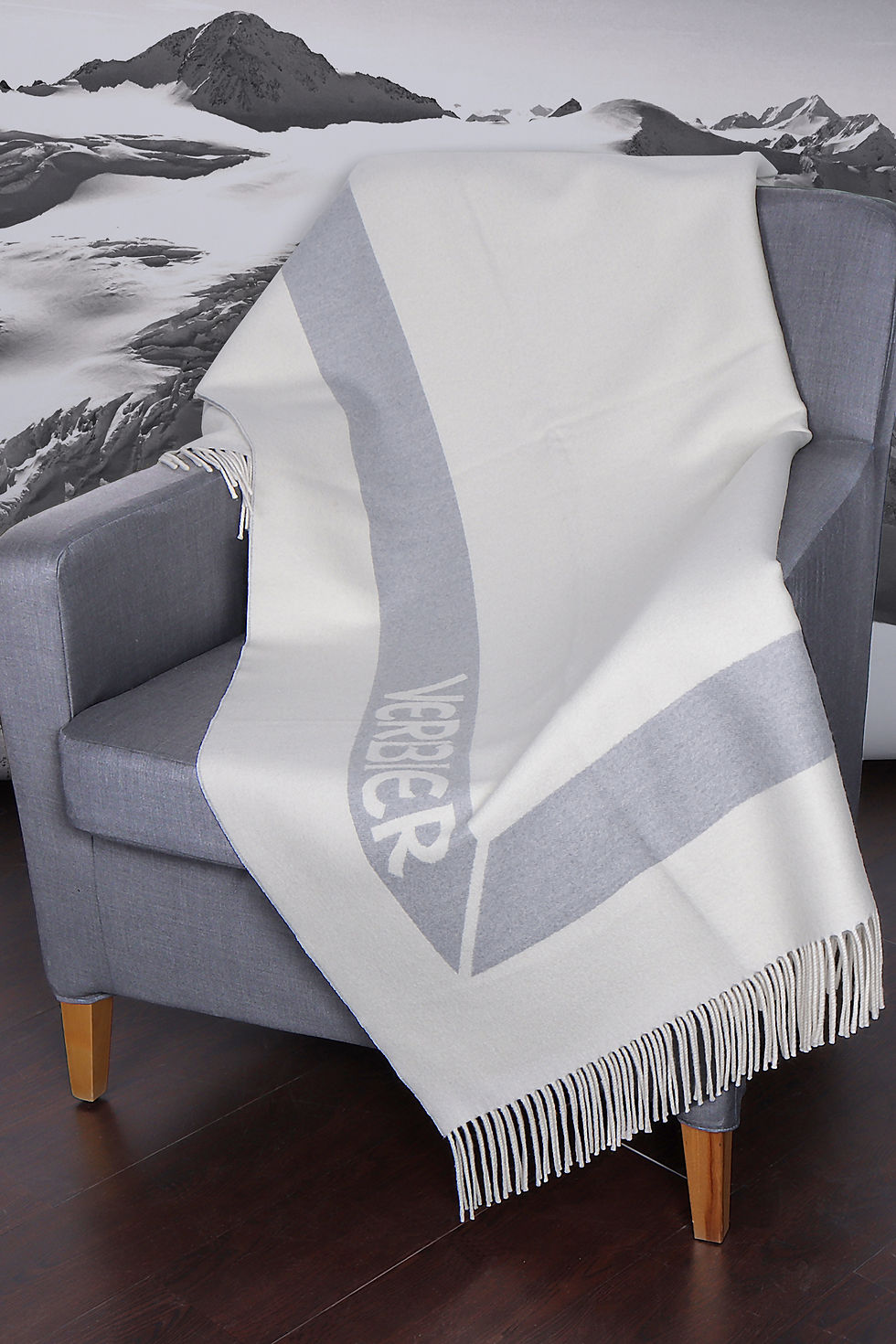
A throw draped on a chair adds movement through light and shadow.
A cushion creates a gentle point of focus.
Textiles make winter light more intimate and more comforting.
The Emotional Comfort of Repetition
Comfort in winter often comes from gestures repeated over time.
Folding a throw at the end of the evening.
Reaching for the same blanket every morning.
Feeling familiar pressure from a cushion behind the back.
These everyday gestures give shape to winter.
Textiles hold memories, habits, and moods.
They soften tired days and bring calm when daylight shortens.
They are not accessories.
They are companions.

Creating a Winter Atmosphere: A Gentle Approach
Welcoming winter does not require redesigning your entire home.
Small, intentional choices often create the strongest impact.
1. Choose one key textile per room
A generous throw, a structured cushion, or a wool table runner can change a room’s atmosphere.
2. Layer textures, not colours
Soft variations in texture within a similar palette create harmony.
3. Place textiles in transitional spaces
A bench by the window.
An entryway chair.
A reading nook.
These spaces feel instantly warmer with textiles.
4. Fold or drape with intention
A neat fold suggests precision.
A soft drape suggests relaxation.
5. Keep a throw within reach
Comfort becomes instinctive when it is accessible.
In winter interiors shaped by altitude, atmosphere comes from material harmony rather than decoration.

To Close Winter Gently
Winter has a singular way of reshaping how we experience home.
Textiles soften, warm, and accompany. They turn simple gestures into comfort. They make short days feel more welcoming and give rooms a quiet presence.
Choosing textiles with care means choosing comfort that aligns with the season: comfort that supports rest, pause, and reconnection.
Once these materials become part of our rituals, winter is no longer something to get through.
It becomes a moment to live fully, with softness and clarity.
If winter inspires you to reconsider your rituals, let natural materials guide you toward warmth and comfort.


Comments